Sold
| |
| Marking: | 59404 |
| Country: | Russian Empire |
| Dating: | 1910s |
| The original. | |
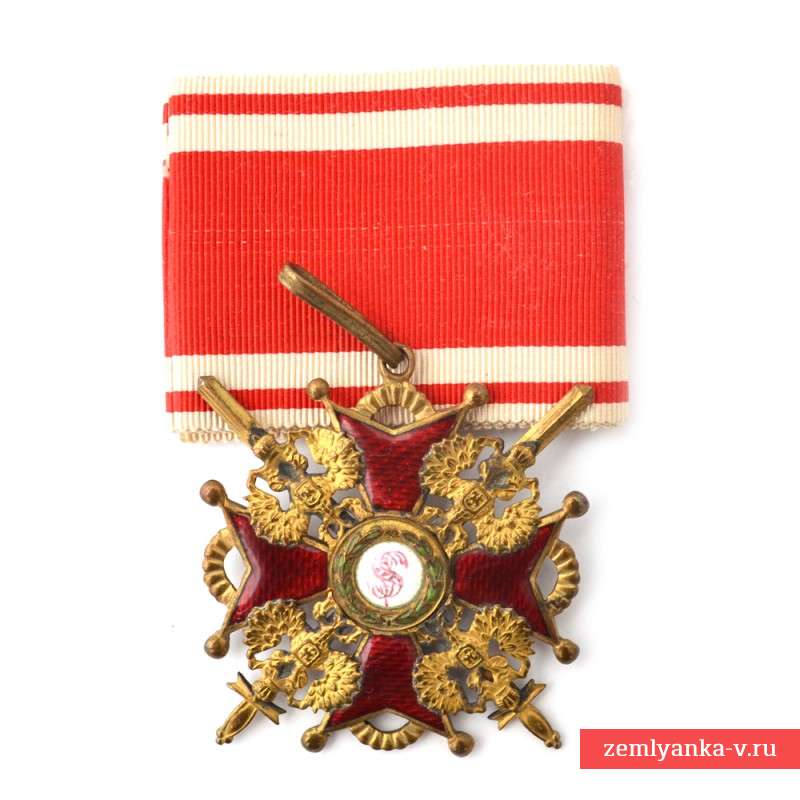
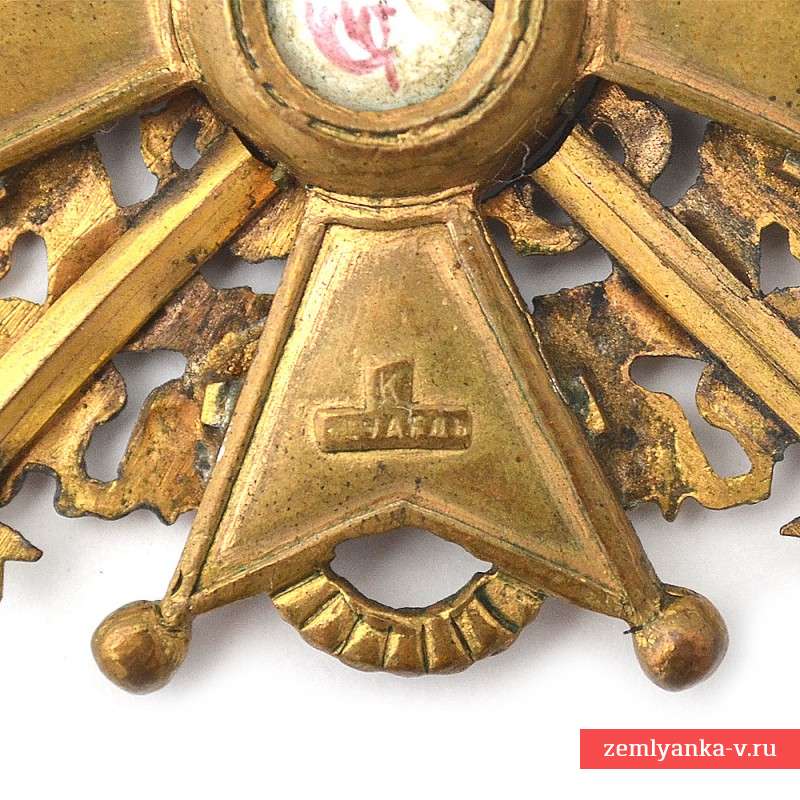
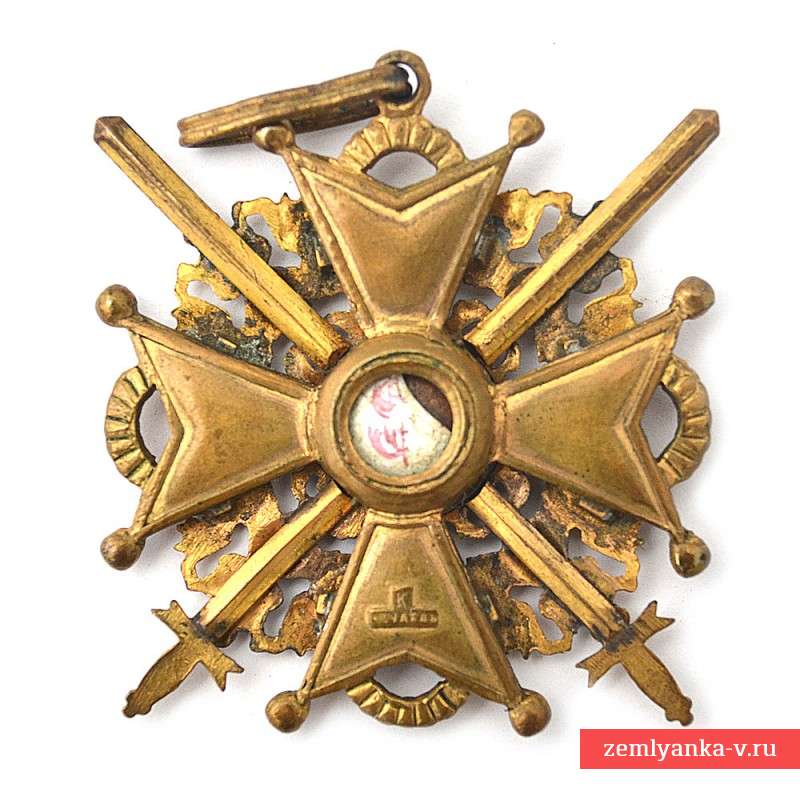
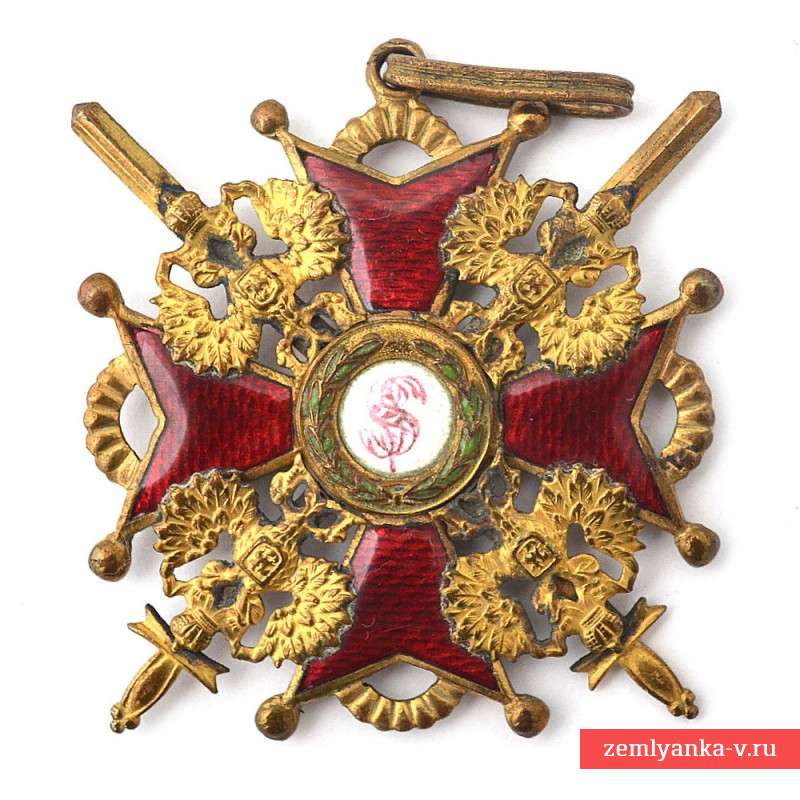
the Russian Empire, 1910s Bronze, gilding, enamel. Good collectors condition, the only negative is the cleavage of the medallion on the reverse. Size 48*52 mm. the Original.
background: Imperial and Royal Order of St. Stanislav order of the Russian Empire with 1831 to 1917. The youngest in the highest hierarchy of state awards, mainly for the variations of officials. Launched on 7 may 1765 the king of Poland and Grand Duke of Lithuania stanisław August Poniatowski. Was the award of the Commonwealth, the Duchy of Warsaw, Kingdom of Poland. Cm. the history of the order in the Polish period in the article Order of St. Stanislaus (Poland). In 1831, after the suppression of the Polish uprising of 1830-1831, along with other Polish medals was included in the Chapter of Russian orders. In 1832 it removed the image of St. Stanislaus, replacing it with monograms SS, as single-headed Polish eagle on the cross of the order have been replaced with the double-headed eagle of the Russian Empire. Management of the order and the awards were handed out Warsaw in St. Petersburg.
In 1839 Nicholas I issued a new Statute of the order, according to which he is now split in two three degree was awarded «any citizen of the Russian Empire and the Polish Kingdom," how the military civil differences, and the private services, such as charity. The badge of the order of the second degree was divided into two type: cross, decorated with the Imperial crown, and without cross crown (the division was abolished in 1874).
Since 1844 on the signs of the order, complaining persons of non-Christian religion, a monogrammed image of the name of St. Stanislaus was replaced with a black Imperial Russian eagle.
the Order of St. Stanislaus 3rd degree became the youngest in the order of precedence of orders of Russia and was the most common reward. It got almost all who have served the time and had ranks, civil servants, military and state. When the establishment of the award of any degree granted right of hereditary nobility, but in the environment of the nobility led to discontent from too many new nobles from the number of merchants and petty officials. In 1845 Highest command was suspended the awarding of the 2nd and 3rd degrees. Resumed awarding only on 28 June 1855, but with this time the right of hereditary nobility was given only 1st degree order of St. Stanislav.
From 1855 to the signs of the order for the war differences were joined by two lying crosswise of the sword. In case of awarding the same order of higher degree for non-military merit, the swords were placed in the top of the cross and star.
Since 1874 abolished the decoration of the order of the Imperial crown, but has received such order has previously retained the right to wear them with the crown.
After the February revolution, the order is not was cancelled. The provisional government of Russia has preserved the order of St. Stanislaus, changing it appearance: Imperial eagles was replaced by a Republican. With 1917 award this order in the Soviet Russia was stopped. At this is the head of the Russian Imperial house in exile continued to award the Imperial and Royal Order of St. Stanislaus. About the awards of the Imperial and Royal Order of St. Stanislaus after 1917, see Award titles and the orders of the Russian Empire after 1917. The visible difference of the order of the Russian Imperial House, dynastic property and awards called «international public awards" with a similar name is the prefix «Imperial and Royal", which should be before the term «the Order of St. Stanislav".
Good collectible condition, the only disadvantage is the cleavage of the medallion on the reverse.
Imperial and Royal Order of St. Stanislav order of the Russian Empire from 1831 to 1917. The most Junior by seniority in the hierarchy of state awards, mainly to distinguish the officials. Launched on 7 may 1765 by the Polish king and the Grand Duke of Lithuania stanisław August Poniatowski. Was the award of the Commonwealth, the Duchy of Warsaw, Kingdom of Poland. Cm. the history of the order during the Polish period in the article the Order of Saint Stanislaus (Poland). In 1831, after the suppression of the Polish uprising of 1830-1831, along with other Polish orders was included in the Chapter of Russian orders. In 1832 he removed the image of St. Stanislaus, replacing him with SS monogram, and single-headed Polish eagle on the cross award were changed to double-headed eagles of the Russian Empire. Management of the order and the ceremony was transferred from Warsaw to St. Petersburg.
In 1839, Nicholas I issued a new Statute of the order, according to which it was now divided into three degrees, and was awarded "any citizen of the Russian Empire and the Polish Kingdom," both for military and civil differences, as well as for private services, such as charity. The badge of the second degree was divided into two types: cross, decorated with the Imperial crown, and the cross without the crown (this division was abolished in 1874).
Since 1844 on the characters of the order, complaining persons of non-Christian religion, the image of a monogrammed name of St. Stanislaus was to be replaced with the black Russian Imperial eagle.
The Order Of St. Stanislav of the 3rd degree became the youngest in order of seniority Russian orders and was the most common reward. Its got almost everything, served the time and had class ranks, civil servants, military and state. When established, the award of any degree provided the rights of hereditary nobility, but among the nobility arose from the dissatisfaction of too many new nobles from among the merchants and petty officials. In 1845 the Imperial order was suspended the awarding of the 2nd and 3rd degrees. Resumed awarding only since June 28, 1855, but since that time the right of hereditary nobility was granted only 1st degree of the order of St. Stanislaus.
Since 1855 the characters of the order for military distinction was joined by two lying crosswise of the sword. In the case of awarding the same order of higher degree for non-military services, the swords were placed at the top of the cross and star.
Since 1874 abolished the decoration of the badge of the Imperial crown, but receiving such order has previously maintained the right to wear them with the crown.
After the February revolution, the order was not cancelled. The Russian provisional government maintained the order of St. Stanislaus, changing its appearance: the Imperial eagles were changed to Republican. Since 1917 the award this order in Soviet Russia was stopped. The head of the Russian Imperial house in exile continued to award the Imperial and Royal Order of St. Stanislaus. About the awards the Imperial and Royal Order of St. Stanislaus after 1917, see Award of titles and medals of the Russian Empire after 1917. The visible difference of the orders of the Russian Imperial House, as a dynastic property and awards, from the so-called "international public awards" with a similar name is the prefix "Imperial and Royal", which appears before the term "Order of St. Stanislaus".
Thanks for your feedback!
Your feedback will be published after administrator check.
Be attended, we will not show the feedbacks, which:
Please note that by posting a feedback you take some responsibility to the readers.