188 $
| |
| Marking: | 96179 |
| Country: | USSR |
| Dating: | 1941 year |
| The original. |
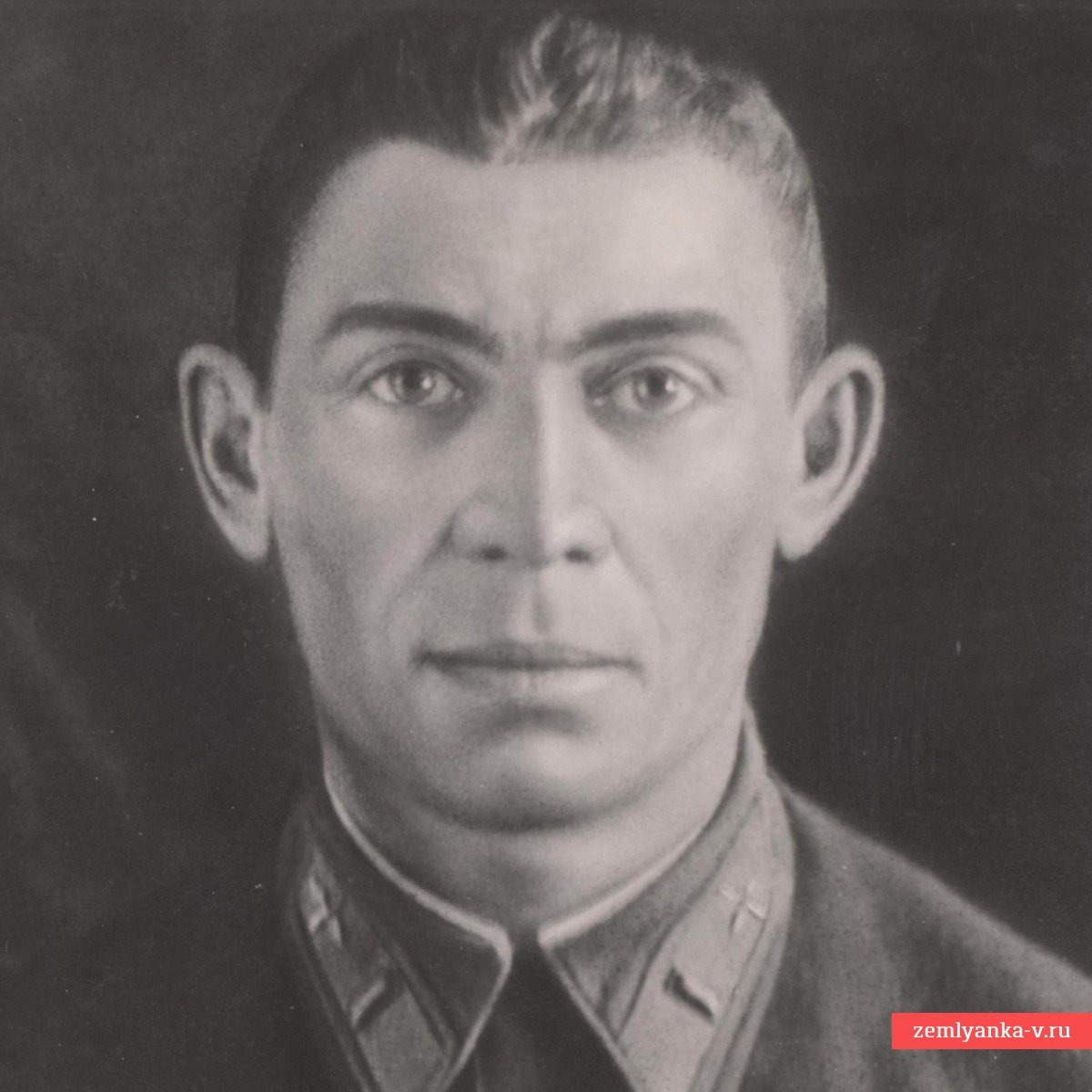
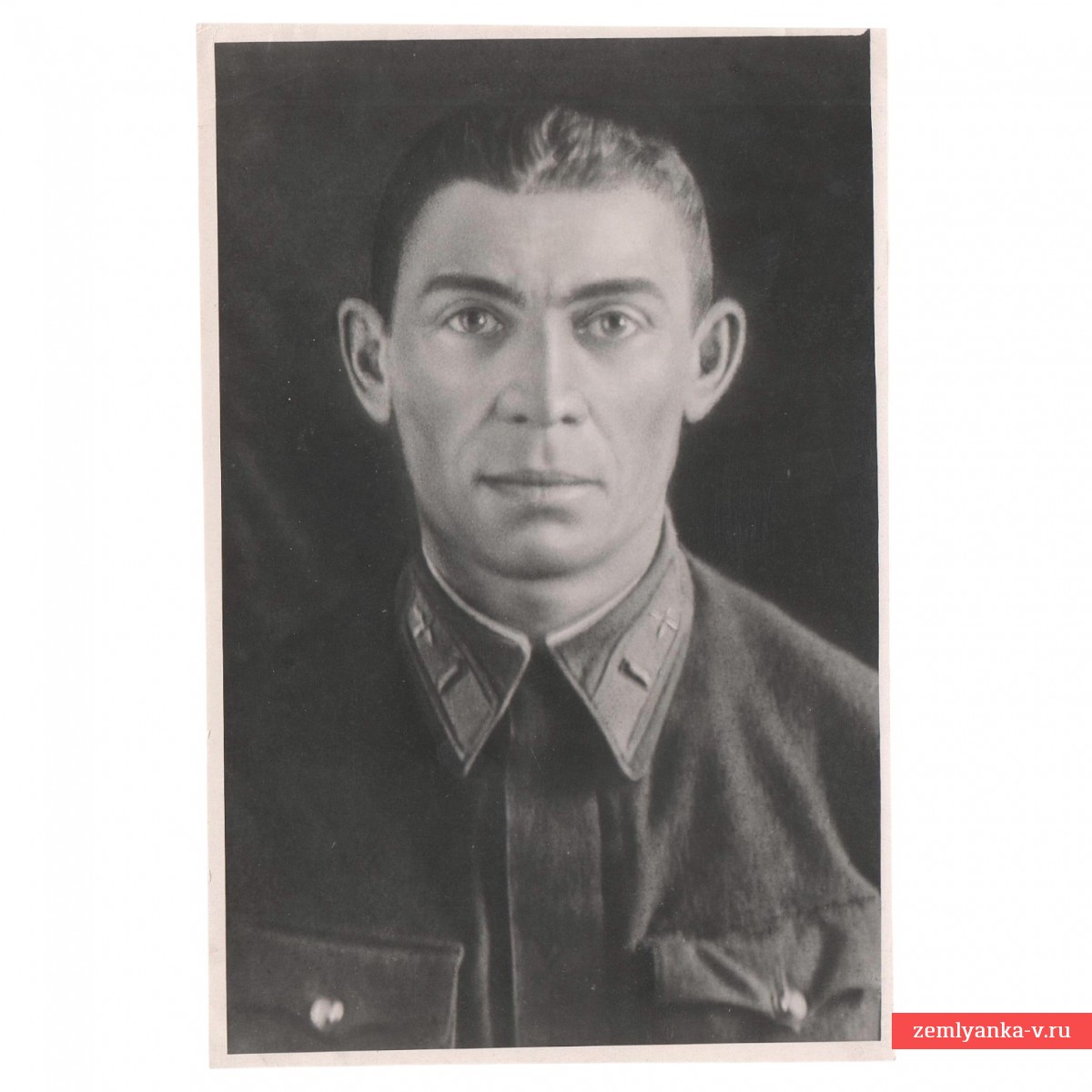
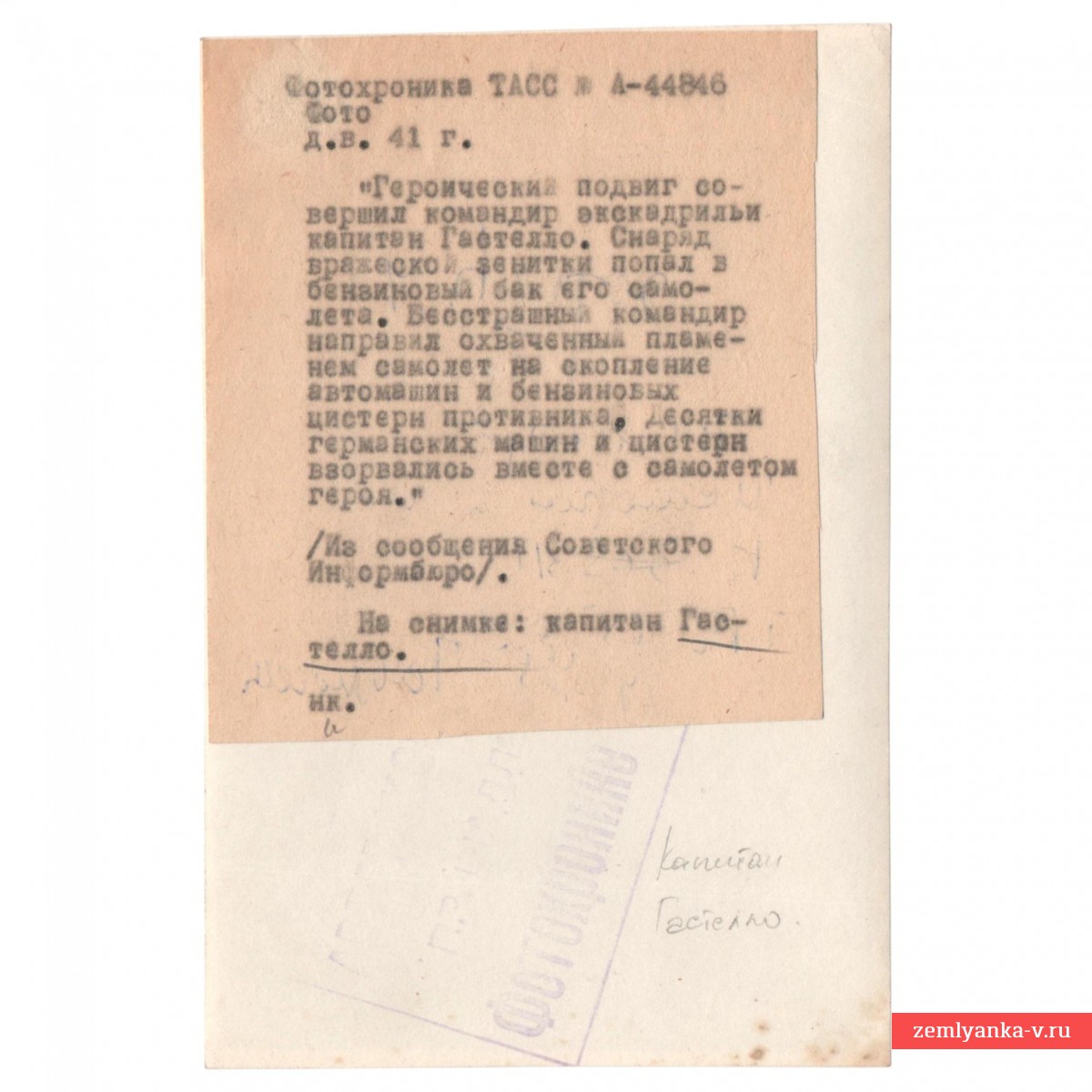
The original photo is in excellent collector's condition. The size is 105*170 mm. On the reverse side there is an original TASS tag with a description of the feat. Photo by N. Solovyov. Guarantee of authenticity.
Nikolai Frantsevich Gastello (April 23 [May 6] 1907, Moscow, Russian Empire — June 26, 1941, Molodechno district, Vileisk region, BSSR, USSR) was a Soviet military pilot, participant in three wars, at the time of his death he served as commander of the 2nd squadron of the 207th long-range bomber Aviation Regiment of the 42nd long-range Bomber Aviation divisions of the 3rd Long-range Bomber Aviation Corps of the Red Army Air Force Long-range Bomber Aviation with the rank of captain. He died during a combat mission. Hero of the Soviet Union, posthumously.
Born in the family of Franz Pavlovich Gastyl (1875—?)[com 1] from the village of Pluzhiny (now the Korelichsky district of the Grodno region, Belarus), who in 1900 came to work in Moscow (here his last name began to be pronounced in the Moscow manner — "Gastello"), where he worked as a wagoner in foundries on the Kazan Railway. Mother — Anastasia Semyonovna Kutuzova (1889-1964), Russian, was a seamstress. His brother, Viktor Frantsevich (1913 — September 28, 1942), died in battle for the village of Dybalovo in the Rzhevsky district of the Kalinin (Tver Region) of the RSFSR, and was buried in the Rzhevsky district of the Kalinin (Tver Region), in the village of Kokoshkino.
The Gastello family lived in the Bogorodskoye district, in a two-story barrack on 3rd Meshchanskaya Street (since June 1922 — 3rd Grazhdanskaya Street). In 1915-1918 . Nikolai Gastello studied at the 3rd Sokolniki City Men's College named after A. S. Pushkin (located at 3 2nd Sokolnicheskaya Street; now the Pushkin branch of Gymnasium No. 1530 "Lomonosov School" is located in this building). In 1918, due to famine, he was evacuated to Bashkiria as part of a group of Muscovite schoolchildren, but the following year he returned to Moscow and to his college, where he studied until 1921. Nikolai Gastello began his career in 1923, becoming an apprentice carpenter.
In 1924, the Gastello family moved to Murom, where Nikolai joined the F. E. Dzerzhinsky Steam Locomotive Factory, where his father also worked. In parallel with his work, N. F. Gastello graduated from high school (now secondary school No. 33). In 1928, he joined the CPSU (b). In 1930, the Gastello family returned to Moscow and Nikolai joined the May 1st First State Mechanical Plant for Construction Machinery. In 1930-1932, N. F. Gastello lived in the village of Khlebnikovo.
In May 1932, he was conscripted into the Red Army. He was sent to study at the military aviation school of pilots in the city of Lugansk. May 1932 — December 1933 — studied at the 11th Military Aviation School of Pilots. In 1933-1938, he served in the 82nd Heavy Bombardment Squadron of the 21st Heavy Bombardment Aviation Brigade, based in Rostov—on-Don. Having started flying as a co-pilot on the TB-3 heavy bomber, N. F. Gastello piloted the aircraft independently from November 1934, becoming the commander of the ship. In 1938, as a result of the reorganization of the unit, Nikolai Frantsevich Gastello found himself in the 1st heavy bomber aviation Regiment.In May 1939, he became a flight commander, and a year later — deputy squadron commander.
In 1939, he participated in the battles on Khalkhin Gol as part of the 150th high-speed Bomber Aviation Regiment, which was assigned a squadron of the 1st Heavy Bomber Aviation Regiment. He participated in the Soviet-Finnish War of 1939-1940 and the operation to annex Bessarabia and Northern Bukovina to the USSR (June—July 1940). In the fall of 1940, the aviation unit in which N. F. Gastello served was relocated to the western borders of the USSR, to the city of Velikiye Luki, and then to the Borovskoye aviation town near Smolensk. In 1940, N. F. Gastello was promoted to the rank of captain. In the spring of 1941, after undergoing appropriate retraining, he mastered the DB-3f aircraft. May 24, 1941 — June 23, 1941 — Commander of the 4th Squadron of the 207th long-range Bomber Aviation Regiment.
June 24-26, 1941 — commander of the 2nd squadron of the same unit. On June 24, 1941, a Luftwaffe Junkers-88 multirole aircraft was shot down by heavy machine gun fire from a rifle turret at the DB-3f airfield.
On June 26, 1941, on the 5th day of the war, the crew under the command of Captain N. F. Gastello, consisting of Lieutenant A. A. Burdenyuk, Lieutenant G. N. Skorobogaty and senior Sergeant A. A. Kalinin took off on a DB-3f aircraft to bomb a German mechanized column on the Molodechno—Radoshkovichi road as part of the link of the two bombers. Gastello's plane was hit by enemy anti-aircraft artillery fire. An enemy shell damaged the fuel tank, which caused a fire on board, and Gastello carried out a "fire ram" — he sent a burning car at a mechanized enemy column. All crew members were killed. Gastello's crew was international: Burdenyuk was Ukrainian, Kalinin was Nenets, Skorobogaty was Russian, and Gastello himself was Belarusian. By decree of the Presidium of the Supreme Soviet of the USSR dated July 26, 1941, Captain Nikolai Frantsevich Gastello was posthumously awarded the title Hero of the Soviet Union for "exemplary performance of combat missions of the command on the front of the struggle against German fascism and his bravery and heroism."
Thanks for your feedback!
Your feedback will be published after administrator check.
Be attended, we will not show the feedbacks, which:
Please note that by posting a feedback you take some responsibility to the readers.