2 250 $
| |
| Marking: | 97042 |
| Country: | Russian Empire |
| Dating: | 1855-1881 gg |
| The original. |
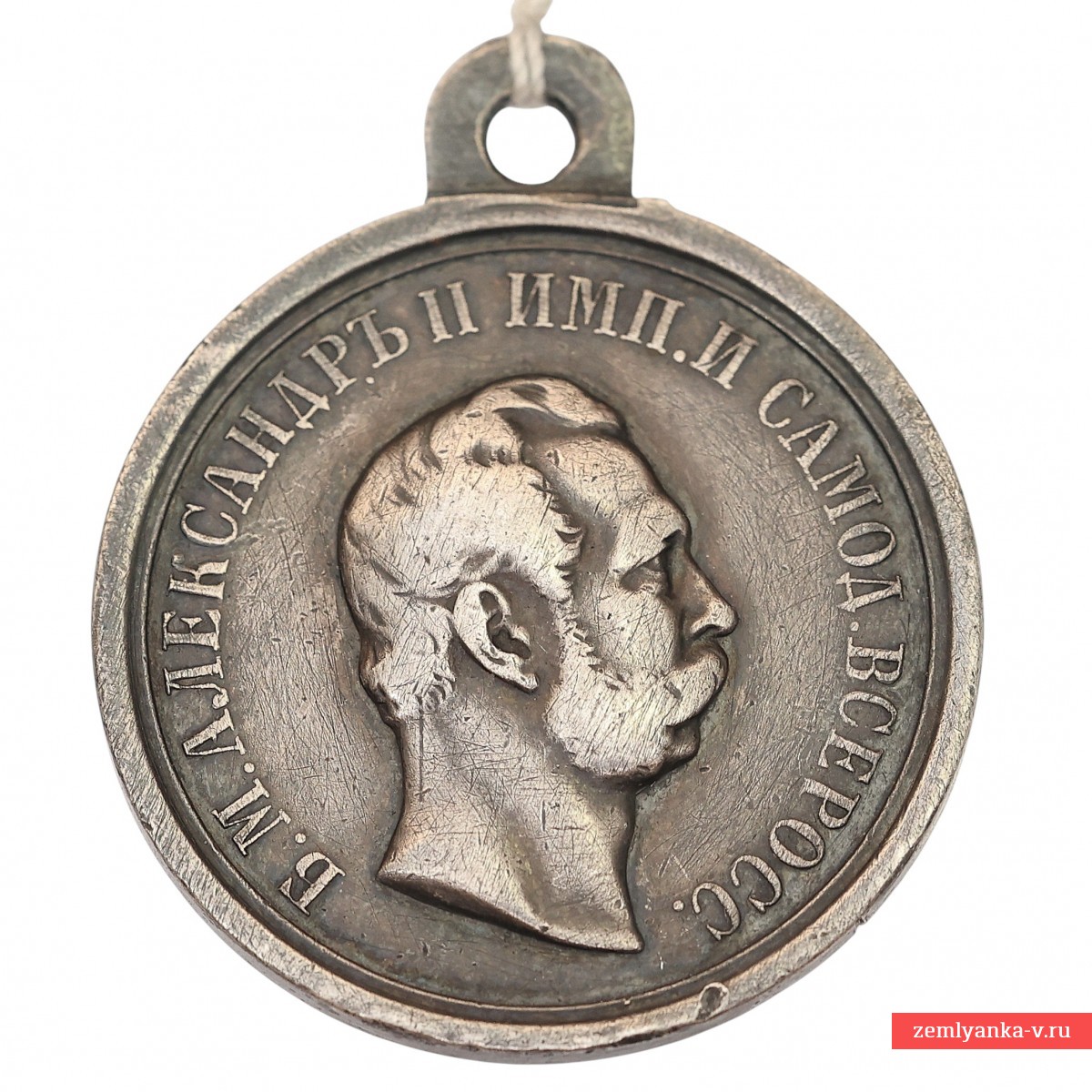
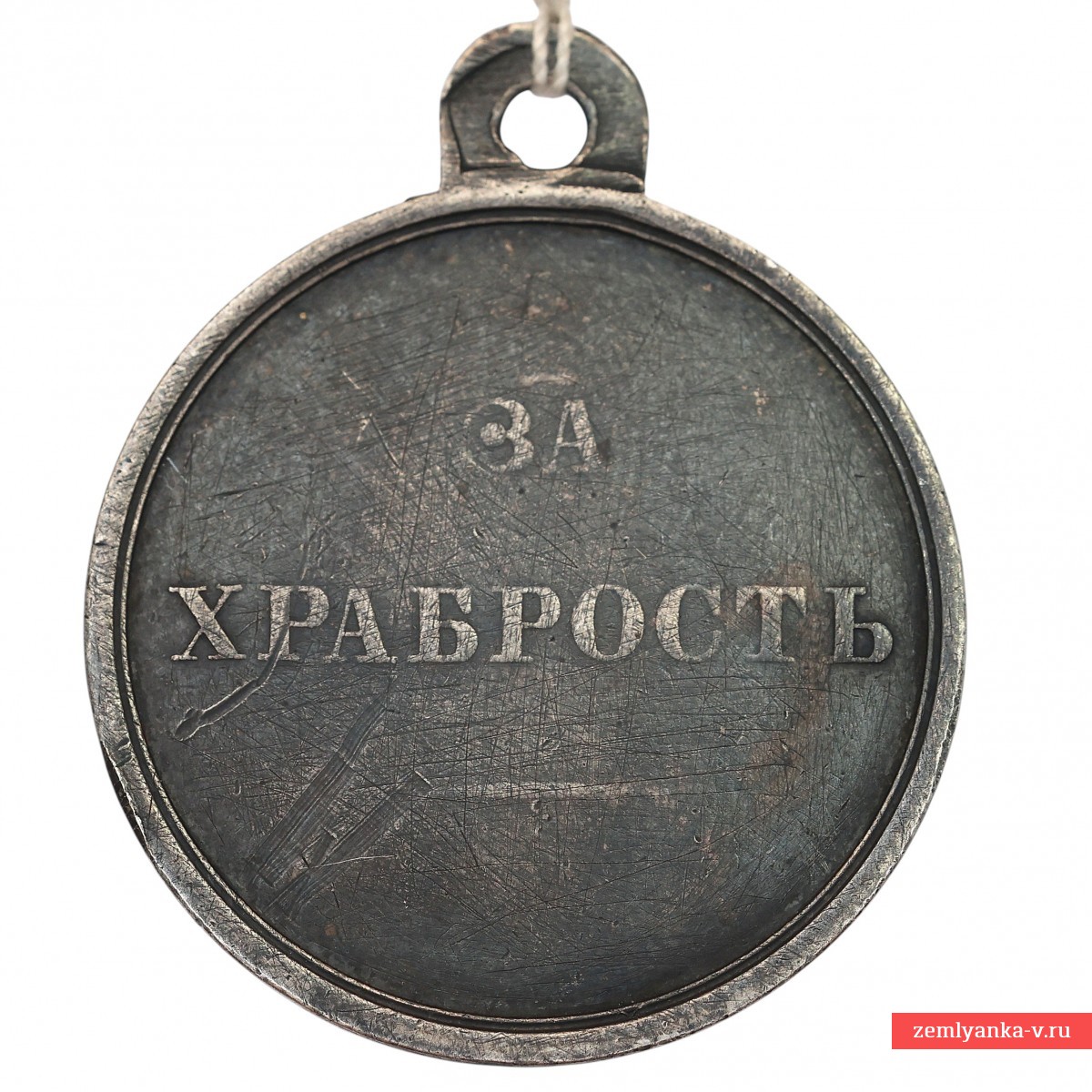
Silver, stamping. The original and rather rare medal is in satisfactory condition. In the center of the obverse there is a profile pectoral image of Emperor Alexander II, turned to the right. Circular inscription: "B.M. ALEXANDER II IMP. AND SAMOD. VSEROSS." ("By the grace of God, Alexander II, Emperor and autocrat of All Russia"). On the reverse is the inscription "For bravery". There are several types of portraits (of the young and mature emperor), as well as options where the profile is facing left or right. Guarantee of authenticity.
The medal "For Bravery", established in 1807, was intended to reward soldiers of irregular troops and paramilitary formations (Cossack, militia, mounted irregular, militia, police, security, guard) who do not have officer and class ranks, for differences in combat, as well as for exploits shown in battles with violators of public order and predatory animals, both in wartime and in peacetime.
From 1850 to 1913, she was included in the list of awards intended for the indigenous inhabitants of the Caucasus, Transcaucasia and other Asian territories of the Russian Empire, who were not in regular troops and did not have officer and class ranks, and was awarded for distinction in battles against the enemy on the side of the Russian army, for exploits shown in battles with violators. public order, with predatory animals, both in peacetime and in wartime, in connection with which the natives of the Caucasus region prevailed among the awarded.
The medal was worn on a St. George ribbon. Had four degrees of dignity: a smaller silver medal (28 mm, 30 mm) to be worn on the chest; the same gold medal to be worn on the chest; a larger silver medal (50 mm) to be worn on the neck; the same gold medal to be worn on the neck. The awards were gradual: from a silver breastplate (of lesser value) to a gold one. However, for differences beyond the ordinary, it was allowed to award medals of higher dignity in addition to the lower ones. Medals (both small breast and large ones) had no numbers; they were not entitled to additional salaries and pensions.
The medal "For Bravery" was lower in value than the Insignia of the Military Order, but higher than all other medals, however, for some time (in 1852-1858), our gold medal with the inscription "For Bravery" in the system of awards established for residents of the Asian suburbs was higher than the Insignia of the Military Order.
Thanks for your feedback!
Your feedback will be published after administrator check.
Be attended, we will not show the feedbacks, which:
Please note that by posting a feedback you take some responsibility to the readers.