213 $
| |
| Marking: | 76524 |
| Country: | Germany |
| Dating: | 1930s |
| The original. |
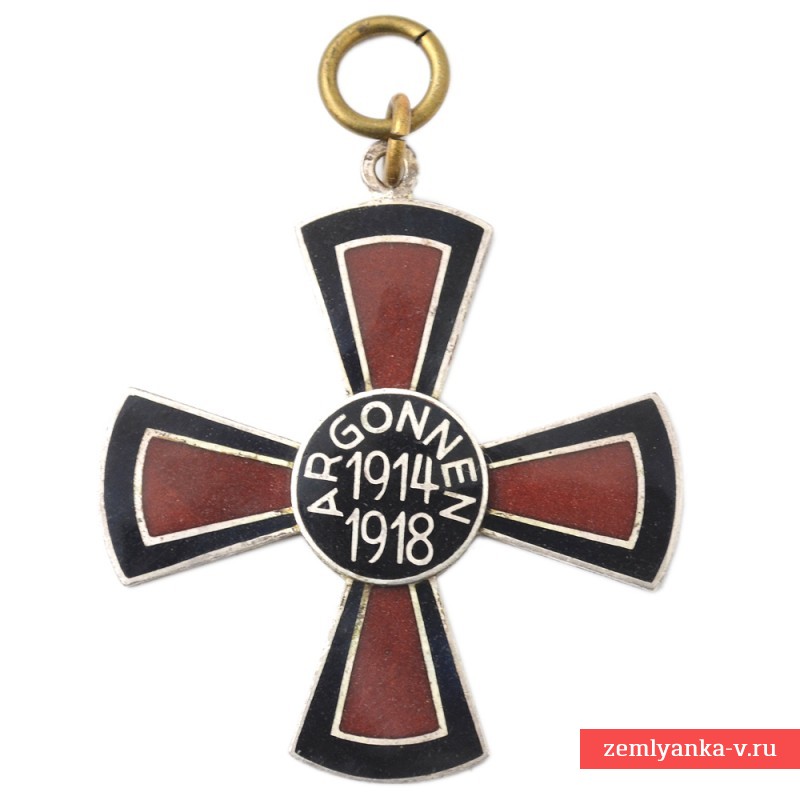
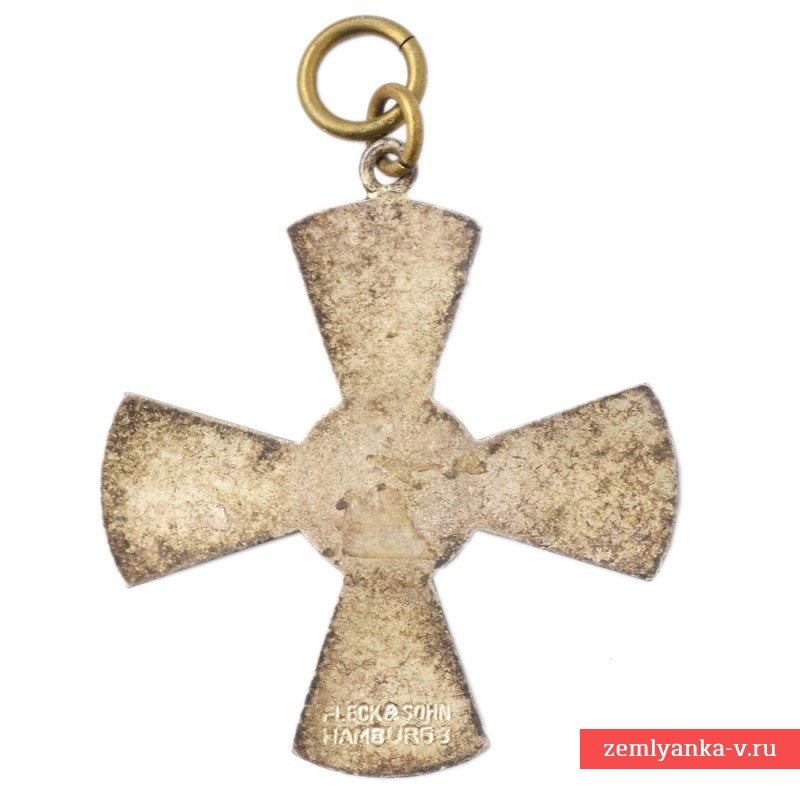
Original sign in great collectable condition. Bronze, gilding, enamel. On the original tape. The guarantee of authenticity.
Organski cross established one of the numerous veterans associations that existed in the Weimar Republic – the Honorable Union of the Saxon participants of the world war “the Association of German veterans of the Eastern and Western fronts.” This structure had the status of a registered non-profit Association that was highlighted in its full name.
Organski cross was established in memory of one of the biggest battles of the campaign of 1918 – the 18-day defensive battles of the German troops in the Argonne forest (Forêt d'argonne – FR., Argonnerwald – it.) on the French territory against the parts of the allies – Britain, France and the United States. The fighting began September 26 and continued until October 13, 1918.
The historical significance of the battle in the Argonne forest was envisaged by German engineer Hermann albert von Gordon (HermannAlbertvonGordon, 1878-1939), who in 1915 wrote the lyrics and melody of the song “Argonnerwald-Lied”, which became one of the most famous soldiers ' marching songs of both world wars. This work is also known by its first line – “ArgonnerwaldumMitternacht” (“Argunskii the forest at midnight”) and called “Pionierlied” or “LiedderPioniere” (“Song of the sappers”). In 1916, this song was included in the collection “Poems of Argon” (“VerseausdenArgonnen”), published by veteran max Barthel (MaxBarthel, 17.11.1893-17.06.1975) in Jena, and gained nationwide fame. Her popularity in Germany was that the lyrics of the song in a modified form and its tune was later used for propaganda purposes both the Communists and the national socialists.
Like other signs of the period of the Weimar Republic, Organski cross was purchased by former participants of the battle from personal funds based on the premium certificate issued by the aforementioned Saxon veteran Association, located in Chemnitz. Sign was given in the course of one year, from spring 1933 to spring 1934, but soon, like most of the other veteran characters, was banned from wearing a cross and replaced by Hindenburg, established 13.07.1934 Total number of issued marks amounted to about 3 thousand.
Thanks for your feedback!
Your feedback will be published after administrator check.
Be attended, we will not show the feedbacks, which:
Please note that by posting a feedback you take some responsibility to the readers.