Sold
| |
| Marking: | 95948 |
| Country: | USA |
| Dating: | 1940-60-th year |
| The original. | |
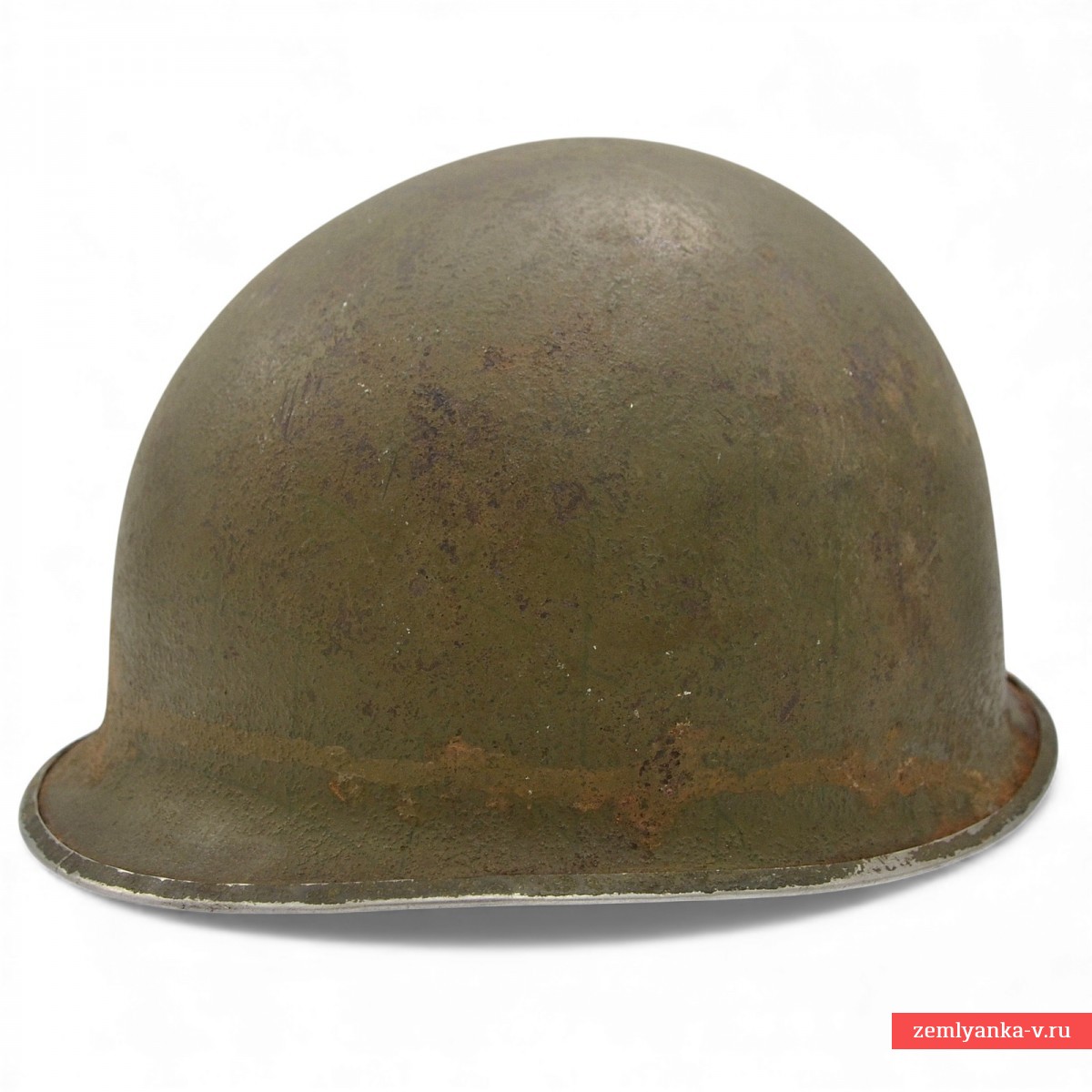
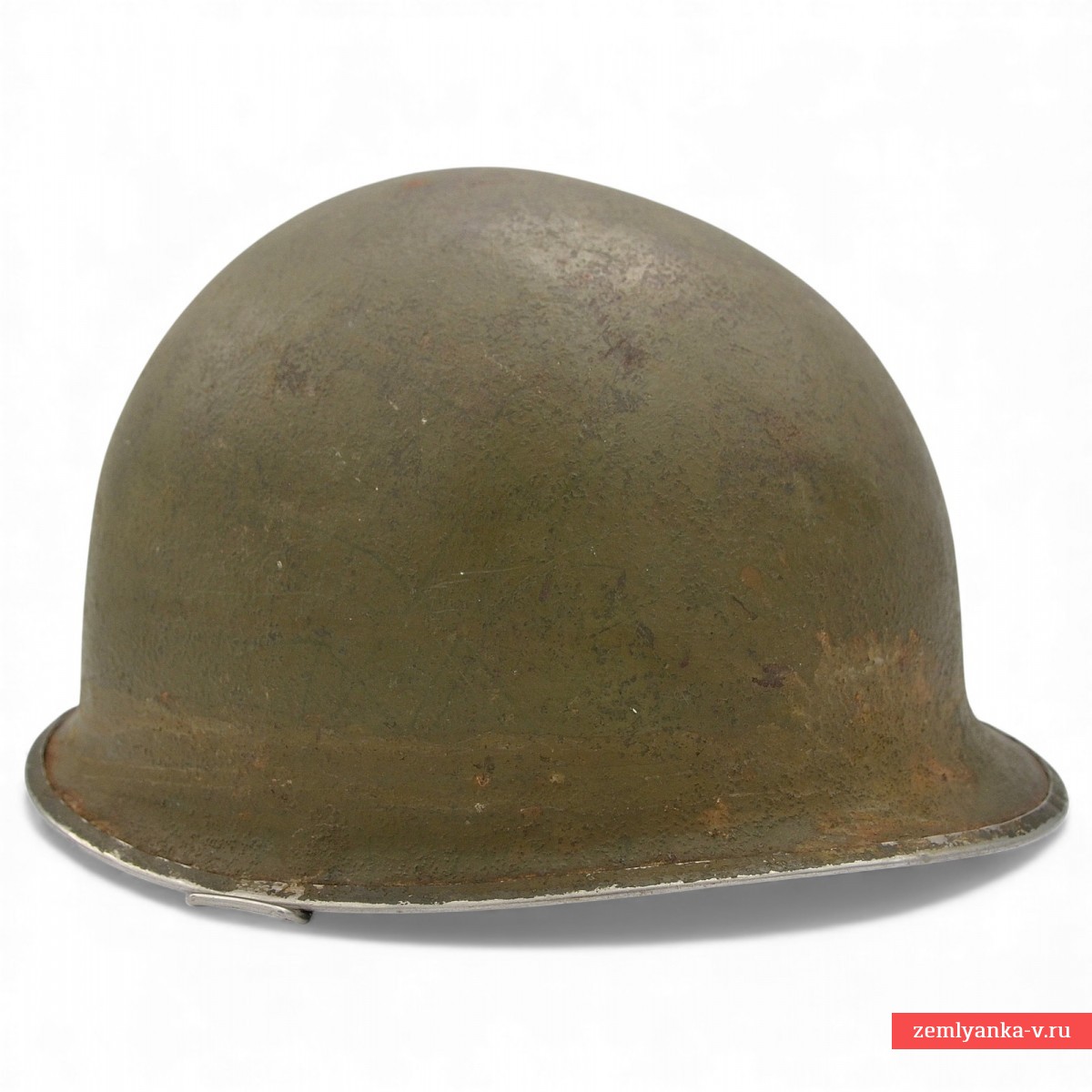
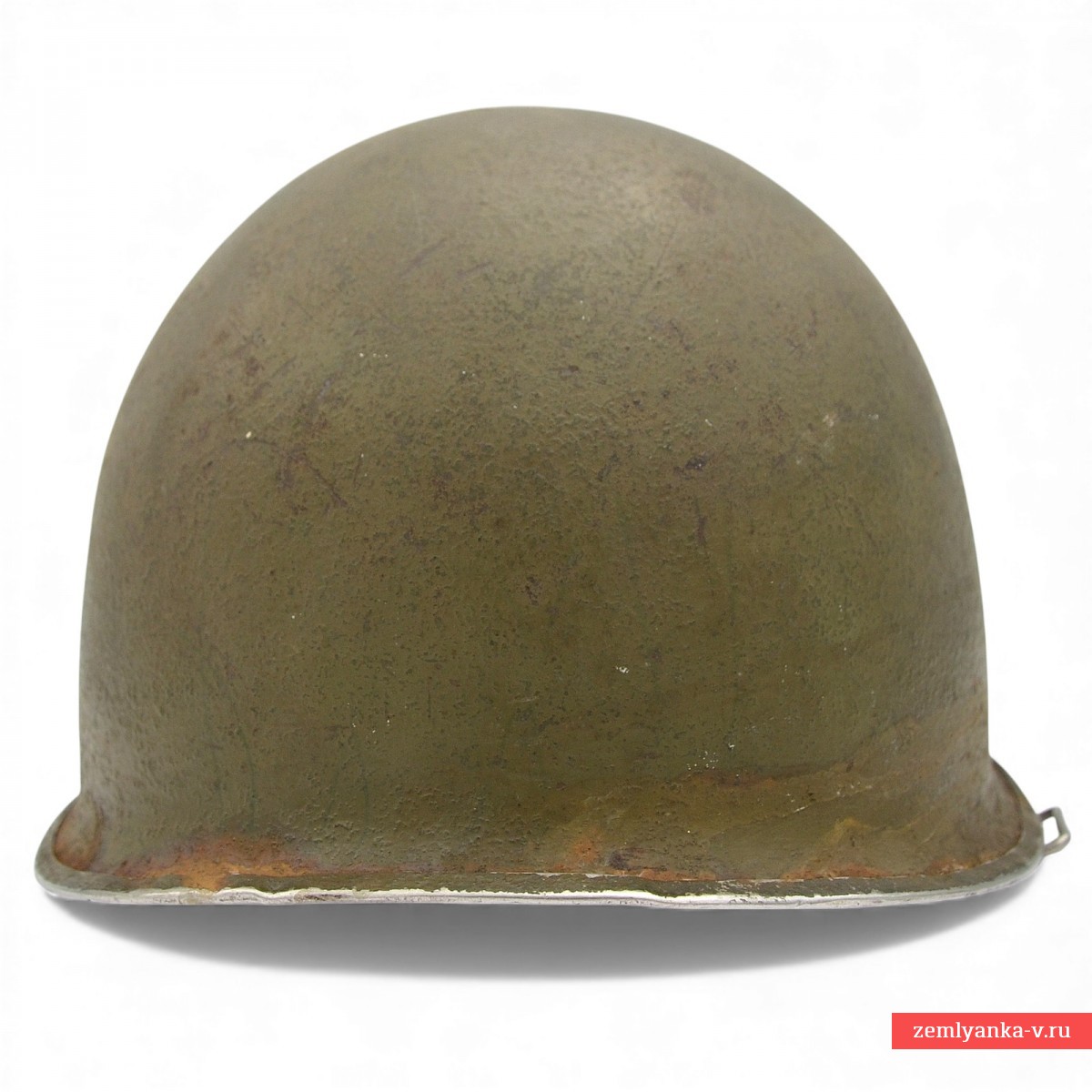
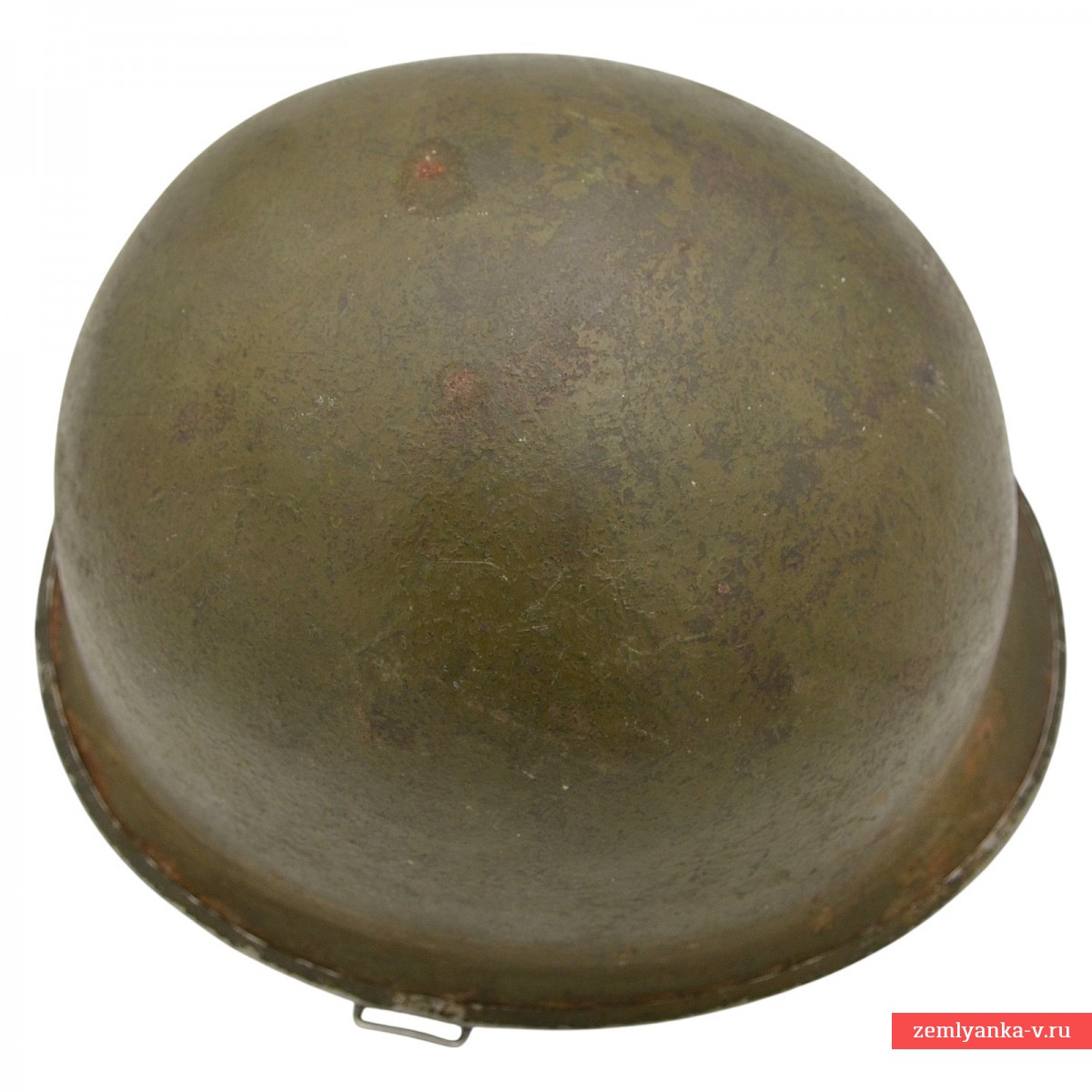
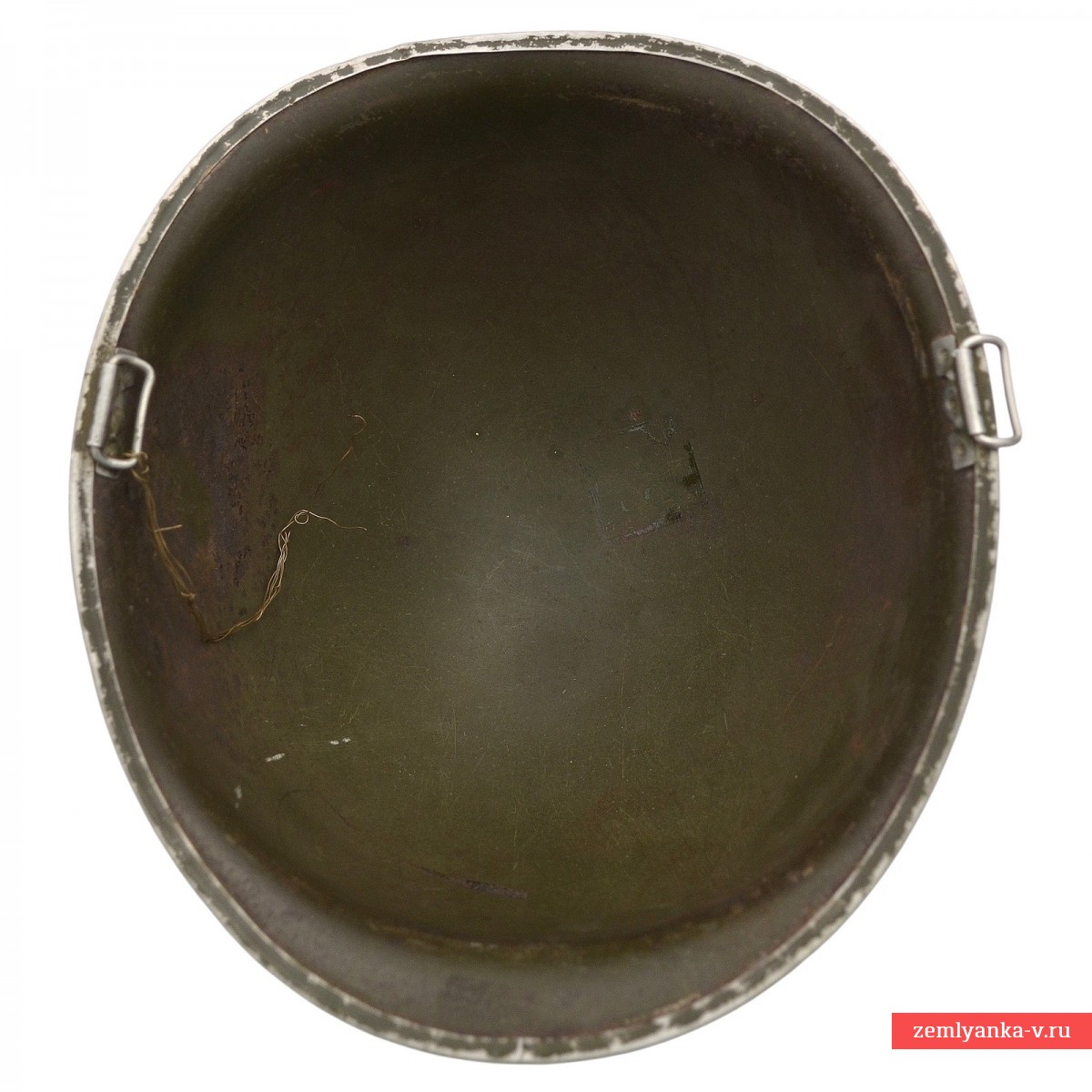
Steel, stamping, paint. The original helmet, which is quite rare in our market, is in good condition. There is no plastic helmet-balaclava. Guarantee of authenticity
The steel helmets that existed in the U.S. Army at the beginning of the war did not provide sufficient protection for soldiers. The helmet of the transit model M 1917 A1, which essentially copied the outdated model M 1917, had to be replaced with a more modern helmet. To do this, the project of Robert G. Patterson, an official of the Ministry of War, was returned from the archive. Robert G. Patterson, who proposed back in 1928 the design of a helmet consisting of two parts - a steel helmet and a balaclava made of cardboard or another lightweight base and could be removed without damaging the helmet. The creator of the most famous American helmet, H. G. Sydenham, developed this idea by changing the shape of the helmet, abandoning the English type.
At the beginning of 1941, the first helmet tests were conducted, which showed its effectiveness. As a result of the tests, minor improvements were made to the attachment of the balaclava, which in its original form was carried out by a single rivet in the helmet arch. In November 1941, the helmet was adopted by the American army and production was promptly started. The new helmet was marked "Helmet steel M-1" patent No. 137.390, registered by the Virginia Patent Office.
The M-1 helmet was fundamentally different from all the helmets that existed in the world at that time. The helmet consisted of two parts - a steel helmet made of an alloy of steel and manganese, and a lightweight balaclava made of pressed cardboard, painted olive green on the outside. Fabric bands were installed on the inside of the balaclava, which performed shock-absorbing functions, secured with special brass holders. This system was designed by John T. Riddel, whose company produced protective equipment for American football, including helmets that used this balaclava design.
As already mentioned, the helmet was made of an alloy of steel and manganese. At the same time, during the war, the alloy's manufacturing technology was revised, since manganese, which gave the helmet strength, at the same time made it brittle. The weight of the helmet with the balaclava was 1,500 grams, the weight of the balaclava was 250 grams. In the first batches of the helmet, the balaclava was made of cardboard. However, the first dispatches of soldiers to the Pacific region revealed a serious drawback - the balaclavas quickly fell into disrepair under the influence of moisture. This fact forced us to reconsider the manufacturing technology of the balaclava and it began to be made of more durable synthetic materials. A shock absorber made of sand-colored fabric ribbons was installed inside the balaclava (since 1944, the color of the ribbons has become olive), while the tape determining the size was sheathed with a strip of leather. The size was adjusted using a buckle mounted in the back of the head. A chin strap was mounted on the balaclava, which is a narrow leather strap with a steel buckle, usually attached to the visor. On the surface of the balaclava there was a small ventilation hole in the frontal part.The helmet's chin strap was made of fabric and consisted of two parts held together by an original brass (at the end of the war, steel) fastener inherited from the M 1917 A1 helmet. Each part of the chin strap was sewn to special fasteners located in the lower parts of the helmet on the right and left sides. Until 1943, the metal staples to which the chin strap was sewn were soldered to the surface of the helmet. However, this fastening contributed to the rapid chafing of the chin strap. Already in 1943, the mounting brackets were changed. They became movable, as they were secured with special fixed holders securely soldered to the helmet.
The production of helmets was carried out in huge quantities by the end of the war, the total number of helmets produced reached 22,363,015 units!
The helmet was painted a dark olive color. When painting, a rubbed stopper was added to the paint in order to achieve an anti-glare effect. During the war, unit designations, as well as military ranks, could be applied to helmets. In particular, one white vertical stripe indicates that the helmet wearer holds the rank of lieutenant. However, in combat conditions, any unmasking elements of the equipment were removed. Camouflage covers and nets were used for camouflage purposes. The helmets used by the paramedics had a red cross image on a white background.
The M-1 was one of the best helmets of the Second World War. The proof of this is the long life that the helmet has lived. Adopted by the U.S. Army in 1941, it was replaced by more modern Kevlar helmets only in 1988. At the same time, minimal modifications to the helmet design were carried out at different times. After the war, the helmet of this model was used by a large number of countries in Europe, Asia, Africa, South America, etc.
Thanks for your feedback!
Your feedback will be published after administrator check.
Be attended, we will not show the feedbacks, which:
Please note that by posting a feedback you take some responsibility to the readers.